Schools
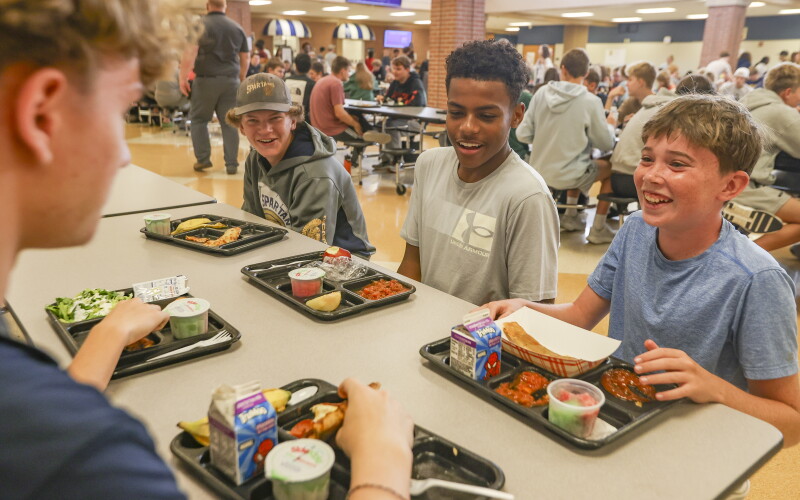
Vote on free meals for students of North Dakota public schools is close
By Maya Patel
Advertisement · Why this ad?
Tommy Nguyen, a recent graduate from North Dakota State University, has quickly made a name for himself in local journalism. He has covered various civic issues and community initiatives for the West Fargo Pioneer and brings fresh perspectives to civic affairs in Jamestown.
More from Tommy →
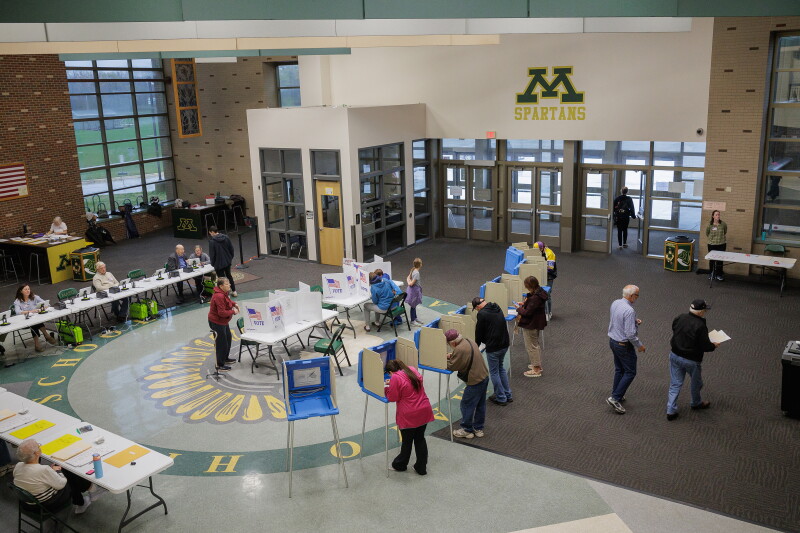
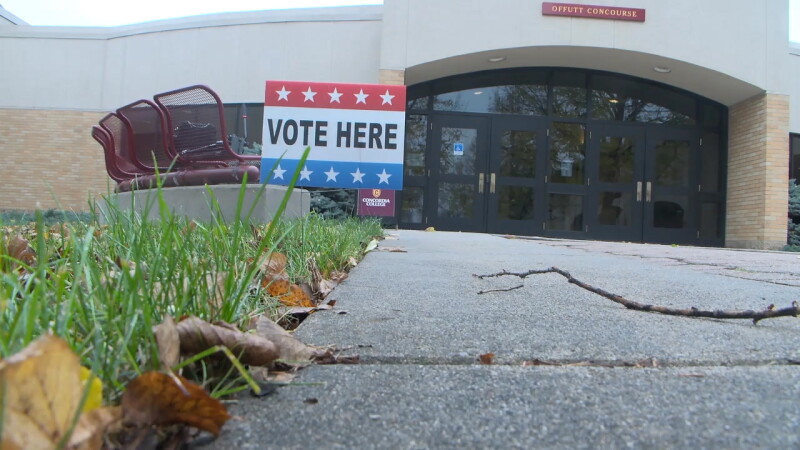
On a chilly November morning, the sun barely peeking over the horizon, a group of parents gathered outside Jamestown High School, clutching their coffee cups and discussing the recent vote that had just concluded. The atmosphere was heavy with anticipation and hope as they awaited the results of Measure 2, a proposal that aimed to provide free breakfast and lunch to all public school students across North Dakota. However, as the numbers rolled in, it became clear that their hopes had been dashed. In a narrow defeat, North Dakota voters rejected the measure, leaving many families concerned about the future of school meals for their children.
On November 3, North Dakota held a statewide ballot where voters were asked to consider Measure 2. This proposed amendment to the state constitution aimed to guarantee free breakfast and lunch for all public school students, regardless of family income. The measure garnered a significant amount of support, but ultimately, it fell short. According to the final unofficial results, 50.61% of voters said no, while 49.39% voted in favor, marking a defeat by just over 1%—a margin of fewer than 2,900 votes.
The measure's failure sparked immediate reactions across the state, particularly among advocates who had campaigned tirelessly for its approval. Amy Jacobson, the leader of Prairie Action ND and a key figure in the Together for School Meals initiative, expressed her disappointment but also emphasized the importance of continuing the conversation about food security for children. “We know that families in North Dakota are struggling, and this issue is far from over,” she stated.
While a simple majority was needed for the measure to pass, the close results reflect a divided sentiment among voters. Many supporters believed that ensuring all children have access to nutritious meals at school would alleviate hunger and improve educational outcomes. However, opponents raised concerns about the financial implications of implementing such a program statewide.
The reaction from the community has been mixed, with many parents expressing frustration over the outcome. For families who rely on school meals as a primary source of nutrition for their children, the defeat of Measure 2 feels like a setback. “It’s heartbreaking to think that so many kids will continue to go hungry because of this vote,” said Jessica Martinez, a local parent who actively campaigned for the measure. “Every child deserves to start their day with a healthy meal.”
Local organizations and advocacy groups that supported the measure are now regrouping to discuss their next steps. They are committed to finding alternative solutions to address food insecurity among students. “This isn’t just about one measure; it’s about the welfare of our children,” said Jacobson. “We need to keep pushing for policies that support families and ensure that every child is fed.”
As the dust settles on the election, community members are taking to social media to express their thoughts. Many are sharing personal stories about how school meals have impacted their families. One post from a local father highlighted how his children rely on the free breakfast program to ensure they have a meal before school. “It’s not just about hunger; it’s about dignity and ensuring our kids can focus on learning,” he wrote.
Moreover, the defeat of Measure 2 has sparked discussions about the broader implications of food security in North Dakota. Several local leaders are calling for increased awareness and action to address the issue. “We need to look at this as a community problem, not just a school issue,” said Mayor Katie Dwyer. “When our children are hungry, we all suffer.”
The push for free school meals in North Dakota is not a new issue. Advocates have long argued that access to nutritious food is a fundamental right for all children. According to the North Dakota Department of Public Instruction, approximately 30% of students in the state qualify for free or reduced-price meals. This statistic underscores the need for a more comprehensive approach to address food insecurity.
In recent years, the conversation around school meals has gained momentum, particularly in light of the COVID-19 pandemic, which exacerbated existing inequalities. Many families faced job losses and economic hardships, making it even more difficult to provide adequate nutrition for their children. The pandemic highlighted the critical role that schools play in feeding students, further fueling the push for universal access to meals.
However, the financial aspects of implementing such a program remain a significant hurdle. Opponents of Measure 2 raised concerns about the potential costs and the impact on taxpayers. They argued that the state should prioritize funding for other essential services, such as education and healthcare, rather than mandating free meals for all students. This debate reflects a broader tension between ensuring access to basic needs and managing public resources effectively.
Looking ahead, the defeat of Measure 2 does not signal the end of efforts to address food insecurity in North Dakota. Advocates are already brainstorming alternative solutions, including local initiatives and partnerships with food banks and community organizations. “We need to think creatively about how we can support our families,” said Jacobson. “There are many ways we can work together to ensure that no child goes hungry.”
One potential avenue is to strengthen existing programs that provide meals to low-income families. Schools can explore options for expanding eligibility for free and reduced-price meals, as well as increasing outreach efforts to ensure that families are aware of the resources available to them. Collaboration with local nonprofits and businesses can also help to bridge the gap and provide additional support.
Moreover, community members are encouraged to engage in conversations with their local representatives about food security issues. Advocates believe that grassroots efforts can lead to meaningful change. “We need to make sure our voices are heard,” said Martinez. “It’s time to come together as a community and advocate for our children.”
For families in Jamestown and across North Dakota who are concerned about food insecurity, several resources are available. The North Dakota Department of Public Instruction offers information about free and reduced-price meal programs, which can be found on their website. Additionally, local food banks and community organizations often provide assistance to families in need.
Families are encouraged to reach out to local schools for information about meal programs and support services. Schools play a vital role in connecting families with resources and ensuring that children have access to nutritious meals. Parents can also get involved by volunteering with local organizations that focus on food security and education.
As the community reflects on the recent vote, it’s essential to remember that the fight for food security is ongoing. By working together, residents can create a supportive environment where every child has the opportunity to thrive. The values of commitment to family and community are what will ultimately drive change and ensure a brighter future for all.
In conclusion, while the defeat of Measure 2 is a setback, it serves as a rallying point for advocates and community members alike. The conversation about food security in North Dakota is far from over, and with continued effort and collaboration, there is hope for a future where every child has access to the meals they need to succeed.
By Maya Patel

By Tommy Nguyen
By Tommy Anderson
By Tommy Anderson